


BEAUTY
Brosse chauffante ou brosse soufflante : laquelle est la meilleure pour vos cheveux ?
By Augie Bennett
Updated 7 PM EST Aug 24, 2026
- 1. Thermal Brush vs Blow Dry Brush: Quick Comparison
- 2. What Is a Thermal Brush?
- 3. What Is a Blow Dry Brush?
- 4. Thermal Brush vs Blow Dry Brush: Key Differences
- 5. Can You Use a Thermal Brush on Wet Hair?
- 6. Which Is Better for Your Hair Type?
- 7. Thermal Brush or Blow Dry Brush: Which Should You Choose?
- 8. Which TYMO Tool Should You Choose?
- 9. Final Verdict: Thermal Brush or Blow Dry Brush?
- 10. Frequently Asked Questions
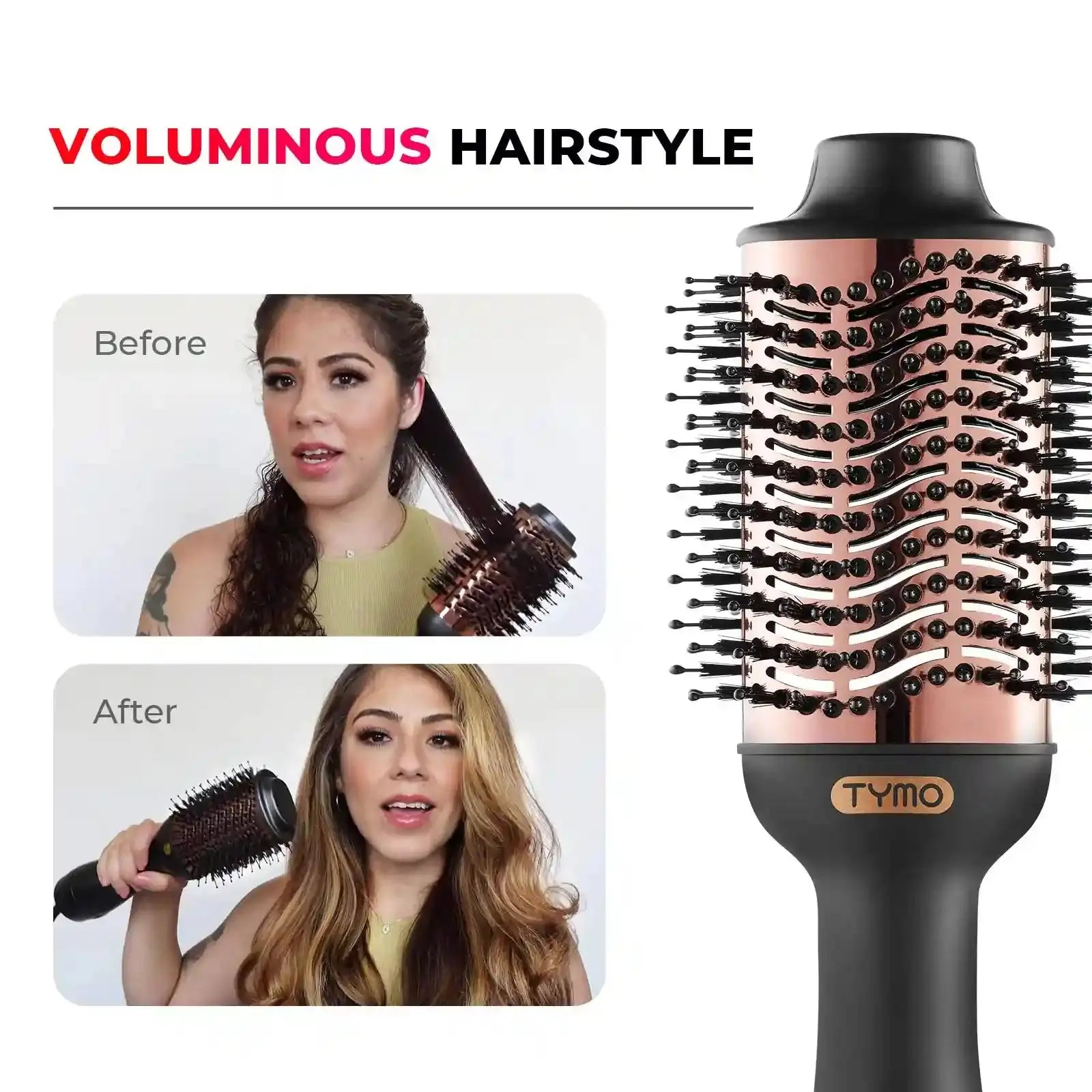
A thermal brush and a blow dry brush can both create smooth, voluminous, blowout-style hair, but they work in very different ways.
A thermal brush uses a heated barrel or bristles to style hair that is already dry, while a blow dry brush, also called a hot air brush or blow dryer brush, uses heated airflow to dry and style damp hair at the same time.
The easiest way to choose is:
- Choose a thermal brush if your hair is already dry and you want root volume, soft bends, flipped ends, or quick styling touch-ups.
- Choose a blow dry brush if you want to take damp hair to a smooth, voluminous blowout with one tool.
The better option ultimately depends on when you style your hair, your hair type, and the finish you want.

Thermal Brush vs Blow Dry Brush: Quick Comparison
| Table header 0 | Thermal Brush | Blow Dry Brush / Hot Air Brush |
|---|---|---|
| How it works | Heated barrel or bristles | Heated airflow + brush |
| Use on | Dry hair | Damp hair, according to tool instructions |
| Main purpose | Shape, smooth and add volume | Dry and style at the same time |
| Typical result | Soft bends, root lift, flipped ends | Smooth, voluminous blowout |
| Root volume | Adds or refreshes lift on dry hair | Creates lift during drying |
| Touch-ups | Very convenient | Better suited to full styling |
| Best for | Finishing and restyling | Damp-to-dry styling |
The biggest difference is simple: a thermal brush styles with direct heat, while a blow dry brush styles with heated airflow.

What Is a Thermal Brush?
A thermal brush is a heated styling brush designed to shape, smooth, and add volume to dry hair.
Unlike a blow dry brush, it does not use airflow to dry your hair. Instead, the heated barrel or styling surface helps shape the hair more like a combination of a round brush and a heated styling tool.
A thermal brush works particularly well for:
- Adding volume at the roots
- Shaping layers
- Creating soft bends
- Flipping ends in or out
- Smoothing frizz and flyaways
- Refreshing second-day hair
- Styling bangs and face-framing pieces
Because your hair is already dry, you can focus on the areas that actually need restyling rather than going through your entire drying routine again.
TYMO STYLUX is one example of this type of round thermal brush, designed for creating blowout-style movement, smoothness, and volume on dry hair. TYMO currently positions STYLUX as a thermal blowout brush for dry-hair styling.
For more styling techniques, see our guide to using a thermal brush for smooth, shiny hair. That guide goes deeper into the actual styling routine, while this article focuses on choosing between a thermal brush and a blow dry brush.


Thermal Brush vs Curling Iron
A curling iron and a thermal brush can both create movement, but the finished result is usually different.
A curling iron is generally better suited to creating more defined curls and waves.
A thermal brush creates a softer, blowout-style result.
Think:
Curling iron: defined curls and waves
Thermal brush: volume, soft bends, flipped ends and blowout movement
If your goal is natural volume and shape rather than a strong curl pattern, a thermal brush may be the better fit.
What Is a Blow Dry Brush?
A blow dry brush combines the functions of a hair dryer and a brush in one styling tool.
You may also see this type of tool called a:
- Blow dryer brush
- Hot air brush
- Hair dryer brush
- Blowout brush
Instead of drying your hair completely before styling, a blow dry brush uses heated airflow while the brush shapes your hair.
It can help you:
- Dry damp hair
- Smooth the lengths
- Add volume at the roots
- Create a rounded blowout shape
- Turn the ends inward or outward
- Simplify the traditional hair dryer + round brush routine
TYMO AIRBEAM is designed around this type of drying and styling routine, combining airflow and brush styling in one tool. TYMO currently describes it as an all-in-one dryer and styler for creating volume, smoothness, and a blowout effect.
If you prefer a more traditional round blow dryer brush shape, TYMO VOLUMIZER is another option for drying, smoothing, and creating body in one routine.
If you're new to this type of tool, our guide on how to use a blow dryer brush for a salon-quality blowout walks through the styling process step by step.


Thermal Brush vs Blow Dry Brush: Key Differences
Both tools can create a polished, blowout-inspired finish, but they fit different stages of your styling routine.
1. Direct Heat vs Heated Airflow
A thermal brush uses direct heat through its heated barrel or styling surface.
A blow dry brush pushes heated air through or around the brush while you style.
That difference affects when the tool is used and what role it plays in your routine.
2. Dry Hair vs Damp Hair
This is the most important difference.
A standard thermal brush should generally be used on fully dry hair, unless the manufacturer specifically states that the tool supports damp or wet styling.
A blow dry brush is designed to remove moisture while styling, so it is generally used on damp hair according to the product instructions.
3. Styling Precision
A thermal brush makes it easy to concentrate on smaller areas because there is no strong airflow moving the hair.
That makes it useful for:
- Bangs
- Face-framing layers
- Flipped ends
- Root lift
- Restyling individual sections
A blow dry brush is better suited to establishing the overall shape of your hairstyle while the hair dries.
4. Volume
Both tools can add volume, but they do it at different stages.
A blow dry brush can lift the roots during the drying process and help establish the shape of your blowout.
A thermal brush can add or restore root lift once your hair is already dry.
5. Styling Time
If you are starting with damp hair, a blow dry brush can simplify your routine because drying and styling happen together.
If your hair is already dry, using a thermal brush lets you reshape it without going through the drying process again.
Can You Use a Thermal Brush on Wet Hair?
Generally, no. A standard thermal brush should be used on dry hair unless the specific tool is explicitly designed for wet-to-dry styling.
This is one of the biggest differences between a thermal brush and a blow dry brush.
A thermal brush is primarily a heated styling tool. It is designed to shape hair after the drying step has already been completed.
A simple thermal-brush routine looks like this:
- Dry your hair completely.
- Apply heat protection according to the product instructions.
- Divide your hair into manageable sections.
- Use the thermal brush to add volume, smoothness, bends, or shape
If you want to dry and style damp hair in the same step, choose a blow dry brush or hot air brush that is specifically designed for damp-to-dry styling.
This is also consistent with TYMO's current STYLUX guidance, which specifies dry-hair use rather than wet-hair styling.
Which Is Better for Your Hair Type?
There is no single winner for every hair type.
The better choice depends on both your hair and the result you are trying to create.
Fine or Thin Hair
A thermal brush can be particularly useful when fine hair loses volume throughout the day.
You can use it to:
- Refresh root lift
- Shape fine layers
- Add movement to second-day hair
- Restyle the ends without repeating your drying routine
A blow dry brush can also create volume during drying, especially when you lift the hair away from the scalp as you style.
Fine hair generally benefits from controlled heat and airflow rather than automatically using the highest settings.
For a broader look at tools and techniques for this hair type, see our guide to the best styling tools for fine and thin hair.
Thick or Coarse Hair
A blow dry brush can be particularly convenient if your main challenge is getting thick hair dry and styled efficiently.
Work in manageable sections so airflow can reach the hair evenly.
Once the hair is completely dry, a thermal brush can be useful for refining the ends, reshaping individual sections, or restoring root volume.
Curly or Frizz-Prone Hair
A blow dry brush can help stretch and smooth curly or frizz-prone hair during the drying process.
Once the hair is dry, a thermal brush can then be used for targeted smoothing or reshaping.
Short Hair, Bangs and Layers
Thermal brushes can be especially useful for targeted styling on shorter hair.
They make it easy to focus on:
- Curtain bangs
- Bob ends
- Short layers
- Face-framing pieces
- Small areas that need extra lift
If you are starting with damp short hair and want a complete blowout, a blow dry brush may still make more sense.
Thermal Brush or Blow Dry Brush: Which Should You Choose?
Start with one question:
Is your hair already dry?
If yes, and your goal is to add shape, volume, or polish, a thermal brush is probably the better choice.
If no, and you want to dry and style your hair at the same time, choose a blow dry brush.
Then consider your main styling goal:
| Your priority | Better choice |
|---|---|
| Dry and style in one step | Blow dry brush |
| Refresh second-day hair | Thermal brush |
| Shape bangs | Thermal brush |
| Create a full blowout from damp hair | Blow dry brush |
| Add root lift to dry hair | Thermal brush |
| Smooth thick damp hair | Blow dry brush |
| Create soft flipped ends | Thermal brush |
| Simplify dryer + round brush styling | Blow dry brush |
Some routines can benefit from both tools.
For example, you might use a blow dry brush after washing your hair, then reach for a thermal brush the next morning to restore root volume or reshape your ends.
If blowout volume is your priority, you can also explore our hot air brush picks for a voluminous blowout. That content focuses more specifically on choosing a hot air brush for volume, while this page stays focused on the thermal-brush comparison.
Which TYMO Tool Should You Choose?
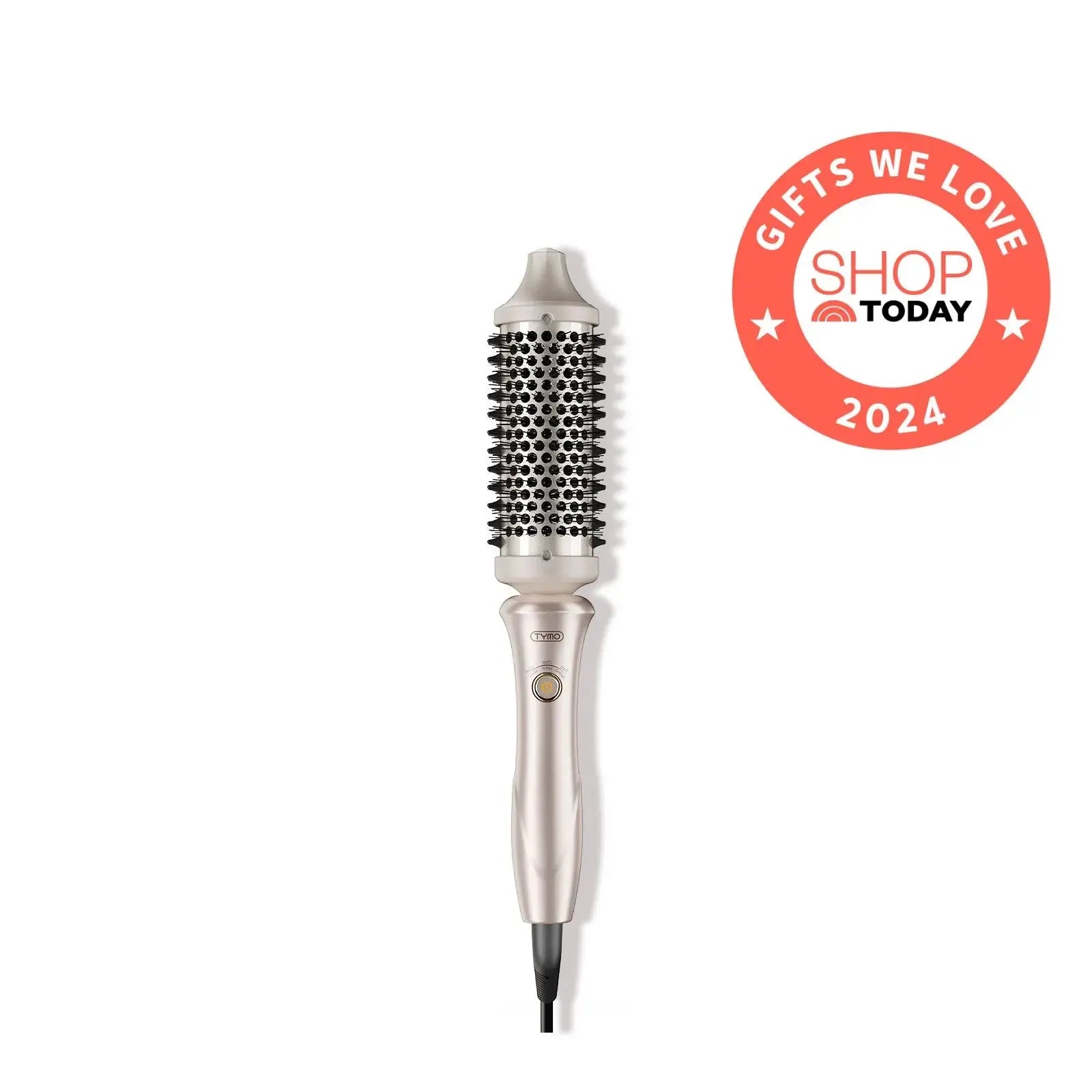
TYMO STYLUX
TYMO STYLUX is the better fit if your hair is already dry and you want root lift, soft bends, flipped ends, or a quick blowout refresh.
- United States 2 septembre
- Alabama 2 septembre
- Arizona 2 septembre
- Arkansas 4 septembre
- California 2 septembre
- Colorado 4 septembre
- Connecticut 3 septembre
- Delaware 3 septembre
- Florida 3 septembre
- Georgia 3 septembre
- Idaho 3 septembre
- Illinois 4 septembre
- Indiana 2 septembre
- Iowa 4 septembre
- Kansas 4 septembre
- Kentucky 3 septembre
- Louisiana 4 septembre
- Maine 3 septembre
- Maryland 3 septembre
- Massachusetts 3 septembre
- Michigan 3 septembre
- Minnesota 4 septembre
- Mississippi 3 septembre
- Missouri 4 septembre
- Montana 3 septembre
- Nebraska 4 septembre
- Nevada 3 septembre
- New Hampshire 3 septembre
- New Jersey 3 septembre
- New Mexico 4 septembre
- New York 3 septembre
- North Carolina 3 septembre
- North Dakota 4 septembre
- Ohio 3 septembre
- Oklahoma 4 septembre
- Oregon 3 septembre
- Pennsylvania 3 septembre
- Rhode Island 3 septembre
- South Carolina 3 septembre
- South Dakota 4 septembre
- Tennessee 3 septembre
- Texas 4 septembre
- Utah 3 septembre
- Vermont 3 septembre
- Virginia 3 septembre
- Washington 3 septembre
- West Virginia 2 septembre
- Wisconsin 4 septembre
- Wyoming 3 septembre
• Peigne anti-emmêlement pour un coiffage sans tiraillement
• Cylindre de 43 mm pour des boucles souples et naturelles
• 3 niveaux de température adaptés à tous les types de cheveux
• Convient à tous les types et toutes les longueurs de cheveux
• Double tension (100–240 V), idéale pour les voyages internationaux
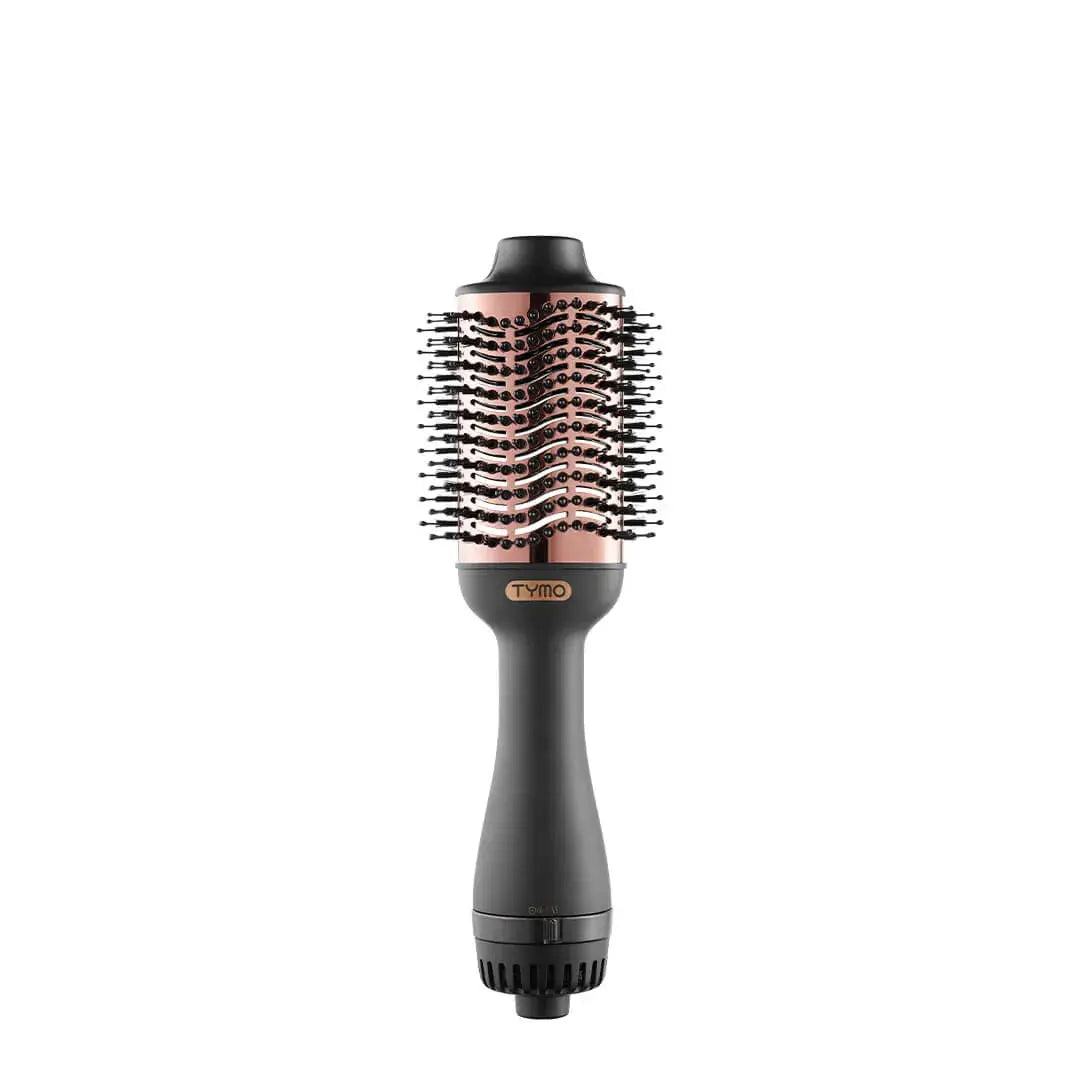
TYMO VOLUMIZER
TYMO VOLUMIZER is a traditional round blow dryer brush and is better suited to creating a full blowout starting from damp hair.
- United States 2 septembre
- Alabama 2 septembre
- Arizona 2 septembre
- Arkansas 4 septembre
- California 2 septembre
- Colorado 4 septembre
- Connecticut 3 septembre
- Delaware 3 septembre
- Florida 3 septembre
- Georgia 3 septembre
- Idaho 3 septembre
- Illinois 4 septembre
- Indiana 2 septembre
- Iowa 4 septembre
- Kansas 4 septembre
- Kentucky 3 septembre
- Louisiana 4 septembre
- Maine 3 septembre
- Maryland 3 septembre
- Massachusetts 3 septembre
- Michigan 3 septembre
- Minnesota 4 septembre
- Mississippi 3 septembre
- Missouri 4 septembre
- Montana 3 septembre
- Nebraska 4 septembre
- Nevada 3 septembre
- New Hampshire 3 septembre
- New Jersey 3 septembre
- New Mexico 4 septembre
- New York 3 septembre
- North Carolina 3 septembre
- North Dakota 4 septembre
- Ohio 3 septembre
- Oklahoma 4 septembre
- Oregon 3 septembre
- Pennsylvania 3 septembre
- Rhode Island 3 septembre
- South Carolina 3 septembre
- South Dakota 4 septembre
- Tennessee 3 septembre
- Texas 4 septembre
- Utah 3 septembre
- Vermont 3 septembre
- Virginia 3 septembre
- Washington 3 septembre
- West Virginia 2 septembre
- Wisconsin 4 septembre
- Wyoming 3 septembre
• Brosse ronde en une étape
• Brushing digne d’un salon en 10 min
• 3 réglages de température et de vitesse
• Technologie au titane pour aider à réduire les frisottis
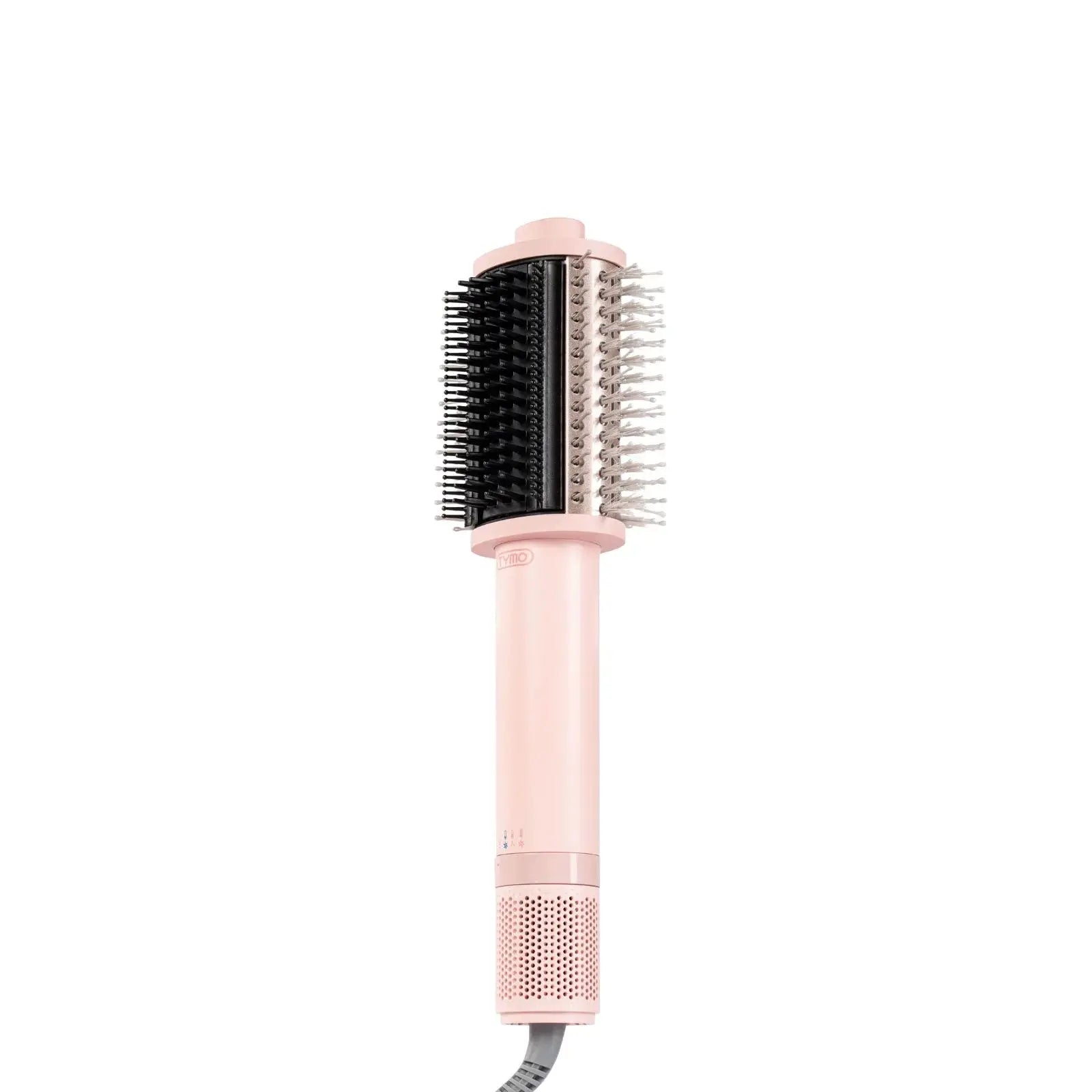
TYMO AIRBEAM
TYMO AIRBEAM is another damp-to-dry option if your priority is combining drying, smoothing, and volume styling in one routine.
- United States 2 septembre
- Alabama 2 septembre
- Arizona 2 septembre
- Arkansas 4 septembre
- California 2 septembre
- Colorado 4 septembre
- Connecticut 3 septembre
- Delaware 3 septembre
- Florida 3 septembre
- Georgia 3 septembre
- Idaho 3 septembre
- Illinois 4 septembre
- Indiana 2 septembre
- Iowa 4 septembre
- Kansas 4 septembre
- Kentucky 3 septembre
- Louisiana 4 septembre
- Maine 3 septembre
- Maryland 3 septembre
- Massachusetts 3 septembre
- Michigan 3 septembre
- Minnesota 4 septembre
- Mississippi 3 septembre
- Missouri 4 septembre
- Montana 3 septembre
- Nebraska 4 septembre
- Nevada 3 septembre
- New Hampshire 3 septembre
- New Jersey 3 septembre
- New Mexico 4 septembre
- New York 3 septembre
- North Carolina 3 septembre
- North Dakota 4 septembre
- Ohio 3 septembre
- Oklahoma 4 septembre
- Oregon 3 septembre
- Pennsylvania 3 septembre
- Rhode Island 3 septembre
- South Carolina 3 septembre
- South Dakota 4 septembre
- Tennessee 3 septembre
- Texas 4 septembre
- Utah 3 septembre
- Vermont 3 septembre
- Virginia 3 septembre
- Washington 3 septembre
- West Virginia 2 septembre
- Wisconsin 4 septembre
- Wyoming 3 septembre
• Moteur haute vitesse : Un séchage plus rapide avec moins d’exposition à la chaleur
• 500 millions d’ions négatifs : Des cheveux lisses, brillants et visiblement moins frisottés
• Brosse double action : Démêle les cheveux tout en les coiffant
• Design fin et léger : Une prise en main confortable, idéale pour les voyages
• Adapté à tous les types et toutes les longueurs de cheveux
• Utilisation sur cheveux humides ou secs
• Puissance de 1100 W pour réduire le temps de coiffage
• 100 % poils en nylon : Sans poils de sanglier
You can also compare the full TYMO hair dryer collection or explore TYMO's wider hair straightener brush collection.
Final Verdict: Thermal Brush or Blow Dry Brush?
Neither tool is universally better.
They simply solve different styling problems.
Choose a thermal brush if:
- Your hair is already dry
- You want targeted shaping
- You regularly refresh second-day hair
- You want root lift without re-drying
- You style bangs, layers, or flipped ends
Choose a blow dry brush if:
- You regularly style from damp hair
- You want drying and styling in one step
- You want a full blowout
- You prefer one tool instead of a dryer and round brush
- You want to create volume while your hair dries
The easiest rule to remember is:
Dry hair + finishing = thermal brush.
Damp hair + full blowout = blow dry brush.
Frequently Asked Questions
What is the difference between a thermal brush and a blow dry brush?
A thermal brush uses a heated barrel or styling surface to shape dry hair. A blow dry brush uses heated airflow to dry and style damp hair at the same time.
Is a thermal brush the same as a hot air brush?
No. A thermal brush generally uses direct heat and is primarily designed for dry hair. A hot air brush uses heated airflow and functions more like a hair dryer combined with a brush.
Can you use a thermal brush on wet hair?
Generally, no. A standard thermal brush should be used on fully dry hair unless the manufacturer specifically states that the tool supports wet-to-dry styling.
Can you use a thermal brush on damp hair?
If your thermal brush is not explicitly designed for damp or wet hair, wait until the hair is completely dry. A blow dry brush is the more appropriate option when moisture is still present.
Which is better for fine hair, a thermal brush or blow dry brush?
Either can work. A thermal brush is useful for refreshing volume and shaping fine dry hair, while a blow dry brush can create volume as the hair dries. Look for adjustable heat or airflow and use settings appropriate for your hair.
Which is better for thick hair?
A blow dry brush can be convenient for thick hair because it combines drying and styling. Once the hair is dry, a thermal brush can be useful for targeted shaping, root lift, or touch-ups.
Does a thermal brush give you volume?
Yes. A round thermal brush can help lift dry hair at the roots and create a curved, blowout-style shape.
Can a thermal brush replace a blow dryer?
Not if you need to dry wet hair. A traditional thermal brush is primarily a styling tool for dry hair, while a blow dryer or blow dry brush removes moisture.
Does a blow dry brush damage hair?
Any heated styling tool can contribute to damage when used with excessive heat or poor technique. Follow the instructions for your tool, use an appropriate setting for your hair, and avoid unnecessary repeated passes.
Can I use both a blow dry brush and a thermal brush?
Yes. A blow dry brush can be used to create the initial style after washing, while a thermal brush can be used later to restore volume, reshape bangs, or refine the ends.
BUY NOW
BUY NOW