






BEAUTY
How to Fix Flat Hair: 8 Ways to Get More Volume | TYMO
By Zeven Miller
Updated 4 AM EST Sep 22, 2026
Flat hair usually happens when the roots sit too close to the scalp or the lengths lose body. Oil and product buildup, heavy formulas, fine strands, the way you dry your hair and even your usual part can all contribute.
To fix flat hair, start by keeping the roots clean and lightweight, dry them away from the scalp, let lifted sections cool before flattening them back down, and choose products or styling tools that add body without unnecessary weight.
If oil, buildup or heavy products are part of the problem, start with your routine and explore TYMO's hair care collection. If the issue is mainly how your hair sits after drying, styling technique and the right tool can make a bigger difference.
| If your hair is flat because of... | Try this first |
|---|---|
| Oily roots | Cleanse the scalp and keep products lightweight |
| Product buildup | Reset the roots before adding more styling product |
| Hair dries flat against the scalp | Lift roots while drying |
| Fine hair loses shape easily | Lightweight products + root-focused styling |
| Your usual part looks flat | Dry or flip the hair in the opposite direction |
| Volume disappears quickly | Let lifted sections cool before brushing them out |
| Second-day roots look flat | Refresh the root area instead of restyling everything |

Why Does My Hair Look So Flat?
Flat hair is not a hair type by itself. Straight, wavy, fine and even relatively thick hair can look flat when the roots lack lift or the lengths are weighed down.
Common causes include:
- excess oil around the scalp
- product buildup
- heavy conditioner, creams or oils near the roots
- fine strands that are easily weighed down
- long or heavy hair
- letting wet roots dry flat against the scalp
- blow-drying everything downward
- using more smoothing product than your hair needs
The American Academy of Dermatology recommends washing based on how oily or dirty your hair becomes, applying shampoo mainly to the scalp, and, for fine or straight hair, focusing conditioner primarily on the ends. See the AAD's healthy hair-care guidance.

2. Keep Heavy Conditioner and Oils Away From the Roots
Conditioner is important, but placement matters when you're trying to volumize hair.
If your hair falls flat easily:
- concentrate richer conditioner on the mid-lengths and ends
- start with a smaller amount of leave-in product
- avoid saturating the scalp with oils
- add more only if your hair actually needs it
AAD guidance similarly recommends applying conditioner to the ends when hair is fine or straight.
Think enough moisture for softness, but not so much weight that freshly washed roots collapse before styling begins.
3. Blow-Dry Your Roots Up and Away From the Scalp
If you want more volume, how the roots dry matters more than simply getting the hair dry.Instead of directing everything downward:
1. Divide your hair into manageable sections.
2. Lift one section away from the scalp.
3. Direct airflow toward the elevated root.
4. Dry the root opposite the direction it naturally falls.
5. Return the section to its normal position once it is mostly dry.
You can also briefly flip your head over while drying the root area, then finish upright for better control.
The basic principle is the same:
Do not let wet roots dry completely flat against your head.
4. Change the Direction of Your Part
This is one of the fastest ways to get more volume without adding another product.
When you wear the same part every day, the roots naturally settle in that direction. Moving it slightly, flipping it to the opposite side, or drying the root opposite its normal fall can create immediate lift.
You do not need a dramatic side part. Even shifting your usual part slightly can change how much height the roots have.
It is also an easy second-day trick when the rest of your hairstyle still looks good.
5. Let the Hair Cool While It Still Has Lift
Creating volume with heat or airflow is only half of the process. You also need to avoid immediately flattening the shape you just created.
After lifting a section, you can:
- hold it elevated briefly as it cools
- place it around a large roller
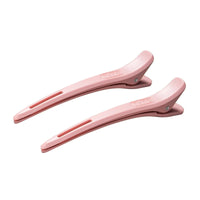
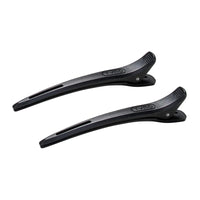
- lightly clip the root upward
- use cool airflow where appropriate
Large rollers are useful when you want body and movement rather than a defined curl.
Once the hair has cooled, remove the roller or clip and loosen the section gently instead of brushing it completely flat.
6. Refresh Flat Roots Without Starting Over
Not every flat-hair day needs another wash and full blowout.
If the main issue is excess oil at the root, a dry shampoo can help absorb that oil while creating additional texture.
The American Academy of Dermatology notes that dry shampoo can make hair appear fuller, but it should supplement regular shampooing rather than replace washing with water and shampoo altogether. Read the AAD's dry shampoo guidance.
TYMO's volumizing dry shampoo powder is designed specifically for flat or oily hair. Its current product information describes it as absorbing excess oil, refreshing hair without water and adding volume at the roots without heavy residue.
Apply lightly at the roots, distribute it through the hair and add more only if needed.
More powder does not automatically mean more volume.

7. Choose the Right Hair Volumizer Tool
A hair volumizer tool can make styling easier, but the best tool depends on whether your hair is damp or dry and what result you're trying to create.
| Tool | Best for | Result |
|---|---|---|
| Blow dryer + round brush | Maximum control | Traditional blowout + root lift |
| Blow dry brush / air styler | Damp-to-dry styling | Smooth body + root volume |
| Thermal brush | Already-dry hair | Root refresh + soft blowout shape |
| Large rollers | Setting finished hair | Soft, airy volume |
This distinction matters because a blow dry brush and a thermal brush do not do exactly the same job.
If you're deciding between them, our thermal brush vs blow dry brush guide breaks down which one makes more sense for damp-to-dry styling versus dry-hair refreshing.

For Damp Hair: Create Volume While You Dry
For damp-to-dry styling, TYMO AIRBEAM is the most relevant TYMO tool for this routine.
Instead of drying your hair first and trying to create volume afterward, AIRBEAM lets you shape the hair while it dries.
For more lift, position the brush underneath the root section and guide the hair upward before smoothing through the lengths.
If you're new to this tool type, see our complete guide to using a blow dryer brush.
For Dry Hair: Refresh the Shape With a Thermal Brush
If your hair is already dry and simply needs more lift or body, you do not necessarily need to repeat your entire blowout.
A thermal brush such as TYMO STYLUX can be used to lift roots and reshape dry sections. TYMO currently positions STYLUX around root lift, airy volume and blowout-style fullness.
Use this type of tool for:
- second-day root lift
- reshaping face-framing layers
- adding movement through the lengths
- use cool airflow where appropriate
That is a different use case from damp-to-dry air styling, which is why both tool types can make sense in a volume routine.


Best For: Damp-to-Dry Volume
8. Build Volume Without Overloading Your Hair
One of the easiest mistakes with flat hair is trying to solve every problem by adding another product.
You may end up with:
mousse + oil + dry shampoo + texture spray + hairspray + more dry shampoo and eventually the added weight starts working against you.
Instead, identify the problem first:
| Problem | Try |
|---|---|
| Oily roots | Cleanse or refresh the root area |
| No lift after washing | Change your drying technique |
| Hair feels too slippery | Small amount of lightweight texture |
| Volume disappears quickly | Let the style cool while lifted |
| Dry hair needs reshaping | Thermal brush or rollers |
| Damp hair needs body | Air styling or round-brush blowout |
A good volumizing routine should make the hair feel lighter and more mobile, not stiff or overloaded.


